Emma is a second-year biochemistry student. We asked her to write up exactly how she used RagmyAI for her organic chemistry module — in her own words.
Organic chemistry nearly ended my degree in first year. Not because I'm bad at science, but because the volume of material — reaction mechanisms, reagents, exceptions to every rule — was impossible to hold in my head at once. I'd read a chapter, feel like I understood it, and then blank completely when the question came at me differently in an exam.
In second year I tried RagmyAI. I passed. Here's the exact workflow.
The four documents I trained my AI on
I didn't upload everything at once. I started with four specific files and only added more when I needed them:
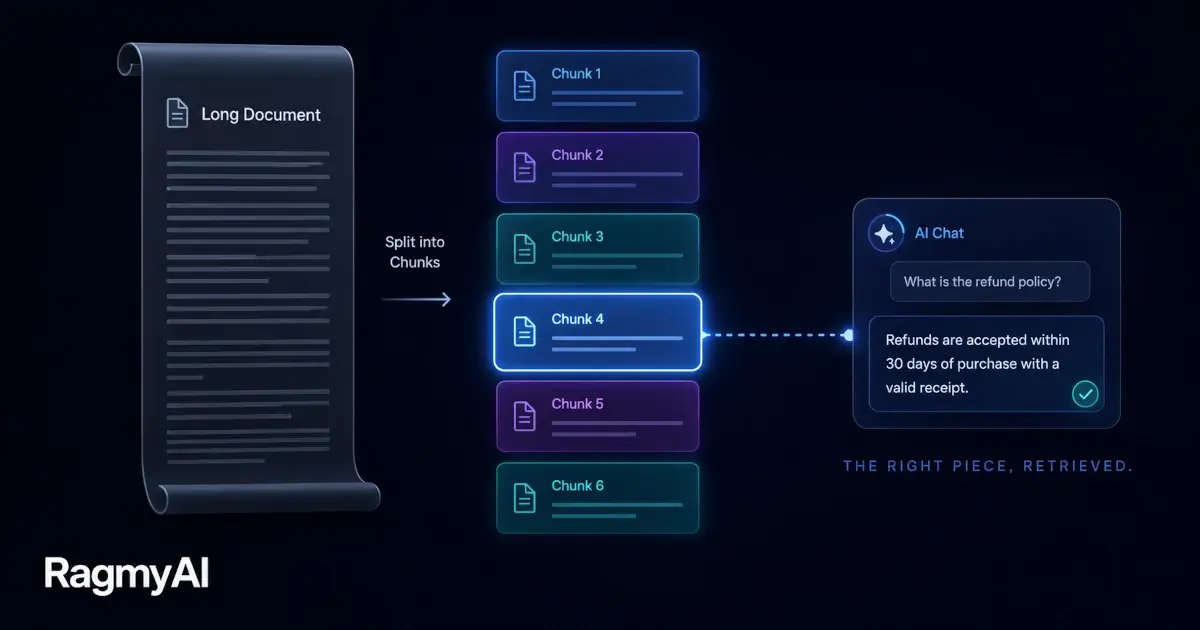
- My lecture slides (PDF). All twelve weeks, exported from the university portal as a single PDF. This was the backbone — my AI would reference exactly what my lecturer said, not some textbook version that might use different terminology.
- My own notes (TXT file). I typed my handwritten notes into a plain text file. Messy, abbreviated, full of my shorthand. The AI read them perfectly and would quote them back to me when I asked — which was weirdly reassuring, like talking to a version of past-me who had actually paid attention.
- Three past papers (PDF). Not the mark schemes — just the questions. I used these to test the AI: "Here's a question from 2023. What mechanism would you draw?" It would walk me through the answer using my lectures as the source.
- A one-page reaction summary sheet I made myself. Just a table: reaction name, reagents, conditions, product. Upload this and you can ask "what are the conditions for a Grignard reaction?" and get an instant, correct answer from your own cheat sheet.
The questions that actually helped
The most useful thing I learned was how to ask. "Explain aldol condensation" gives you a textbook answer. These questions gave me something more useful:
- "Quiz me on nucleophilic substitution. Give me a question, wait for my answer, then correct me." This turned the AI into a patient examiner. It would spot exactly where my mechanism went wrong and explain why, referencing the specific slide where my lecturer covered that step.
- "What are the three most common mistakes students make with this mechanism?" It synthesised this from my past papers — the questions where marks were often dropped.
- "Explain this as if I already know the basics but keep getting confused about the stereochemistry part." Targeted explanations, not generic overviews.
Voice chat changed everything for revision
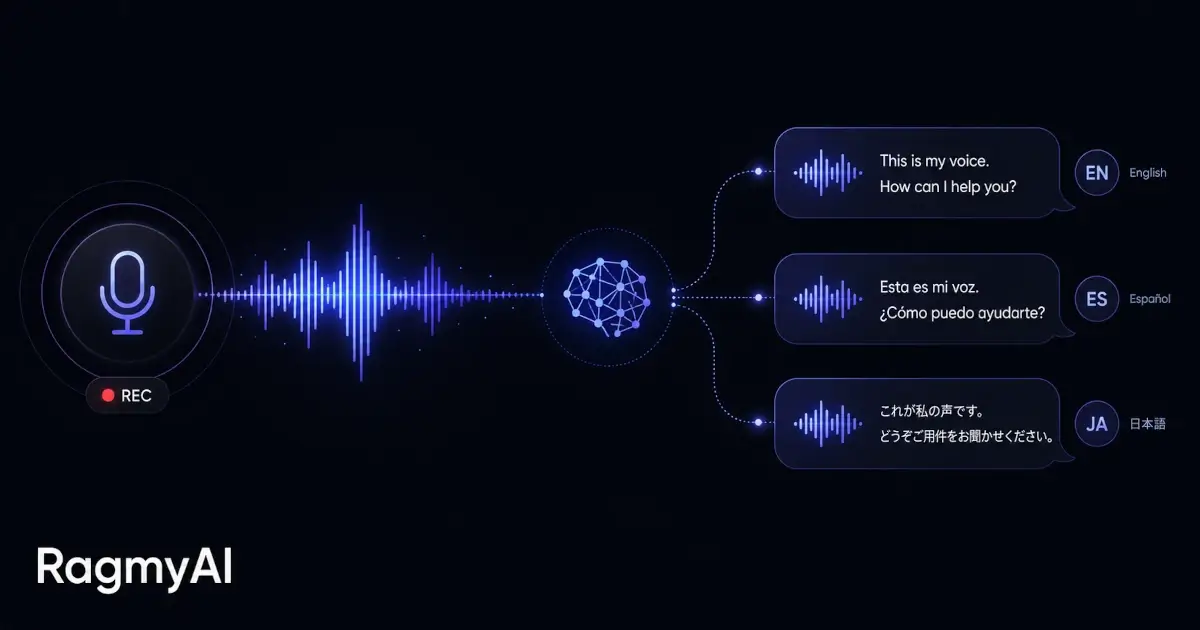
I started doing voice sessions on the bus. I'd ask a question out loud, hear the answer back in a voice I'd set up, and respond. It felt more like a conversation than a study session — less effort to sustain for 30 minutes than staring at a screen.
The killer feature was being able to say "wait, say that again" and have it repeat an explanation at a different pace. No rewinding. No losing my place.
What didn't work
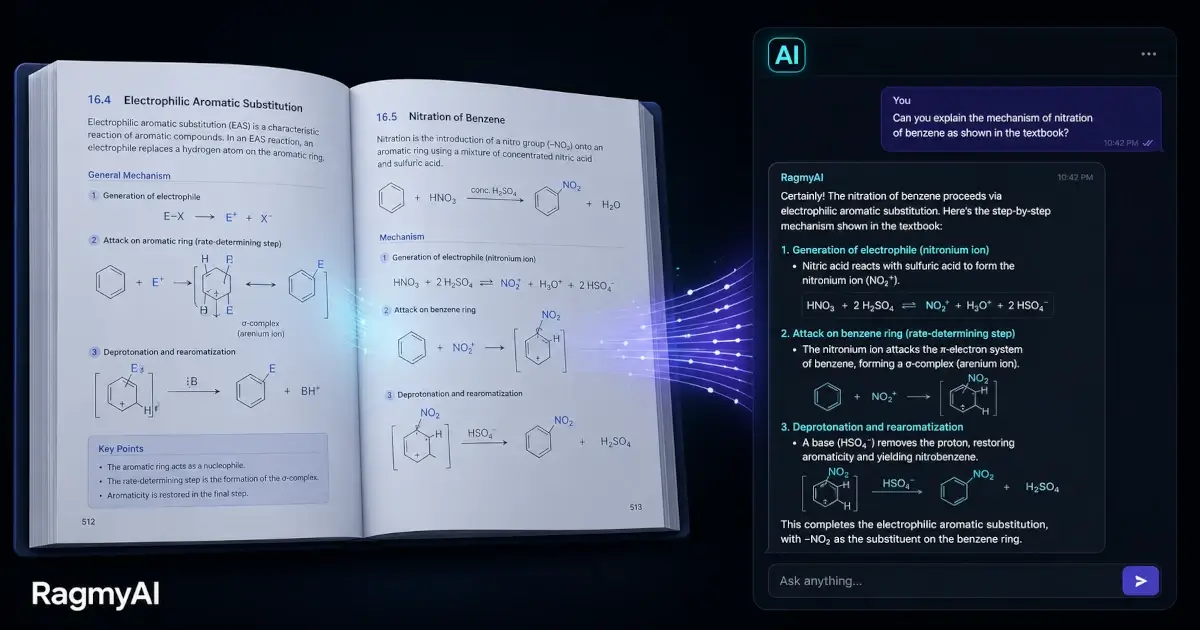
The AI was only as good as my documents. When I asked about a topic my lecturer had only mentioned briefly and I hadn't taken notes on, the answers were thin. The fix: go to the textbook, find the relevant pages, and either upload that chapter or paste the key paragraphs into a text file and retrain.
It also wouldn't draw mechanisms — obviously. For anything visual I still had to sketch it myself. I'd ask for a verbal description of each step, then draw it, then ask the AI to verify my description of what I'd drawn. Clunky but it worked.
The result
67% on the final exam. That was 14 points above my first-year equivalent and enough to move me into the top quartile of my cohort. I'm not saying RagmyAI is magic. I'm saying it removed the friction between having information and being able to use it — and that friction was what was stopping me.